
The Analog Photography Renaissance: Why Photographers Are Returning to Film and How to Build Your Unique Visual Style
Join local film communities
You’ll learn faster when you plug into a local film community. Meetups and collectives give you hands-on time with cameras, chemicals, and printing paper. Face-to-face feedback helps you polish shots, get honest critiques, and trade film stocks — plus you’ll make friends who care about the craft.
Read event pages, ask at camera shops, or follow local groups on social channels. Many communities mention book swaps, darkroom nights, or portfolio reviews. I once met a mentor at a Saturday print swap who showed me a simple burning trick that changed my work overnight — stories like that happen when you show up.
Joining helps you shape a voice. You’ll test ideas, copy good moves, then twist them into your own. The Analog Photography Renaissance: Why Photographers Are Returning to Film and How to Build Your Unique Visual Style will feel less like a headline and more like day-to-day practice when you’re among people doing the same work.
Find darkroom collectives near you
Start local: check community arts centers, universities, and indie photo labs. Postcards, bulletin boards, and small shops still have the best leads. If you call and ask, someone will usually point you to a group that meets weekly or monthly.
Online, search for darkroom collective plus your city. Join the group chat, then visit once before deciding — a single visit shows you the vibe.
Swap prints and tips at meetups
Bring a few prints and be ready to talk. Swapping work lets you see real differences in film choice, development, and printing style. Make it a habit: bring prints, listen, give kind feedback, and test one new tip from a meetup the next week. That loop — try, show, improve — is how your eye sharpens.
Share darkroom processing techniques
At meetups, trade exact recipes and small hacks: development times, agitation patterns, and enlarger lamp settings. Label notes, test changes in a contact sheet series, and ask questions — other members will often step in with a tweak that saves time and film.
Build your film routine
You want a routine that sticks. Start small: pick one hour a week to shoot, develop, or scan. That habit turns into consistency, and consistency builds confidence.
Set simple rules for each session. Choose one camera, one film stock, and one lighting condition to master. That limits choices and lets you focus on exposure, composition, and how your photos feel. Over time those rules become your shorthand for quick decisions.
Make room for play inside the routine. Try a themed month or a project that forces you to experiment. Remember: The Analog Photography Renaissance: Why Photographers Are Returning to Film and How to Build Your Unique Visual Style is about habit and feeling, not gadgets.
Use film photography tips daily
Use tiny wins every day. Take one frame with intent: study the light for a minute, pick a focal point, and shoot. Practice reading your camera settings like a friend’s text. Learn one aperture and shutter combo for bright sun, another for shade. Repeat those combos until your hands move before your brain does.
Keep notes on every roll
Write down film type, ISO, camera, lens, and one word about the mood before you send the roll to develop. After development, add what worked and what surprised you. Over time your notebook will show patterns—what film gives skin tones you love, which lens flatters street scenes, which light kills contrast.
Shooting with manual cameras
Shooting manual forces you to slow down and own every choice. Let your camera be a partner: click, check, adjust, repeat until the results match the idea in your head.
Learn film processing basics
Processing film is a hands-on ritual that makes your images come alive. First, learn the basic steps: developing, stopping, fixing, and washing. Think of it like cooking — each step needs the right time and chemical to get the flavor you want. That moment when the negative appears is thrilling and will keep you hooked.
Temperature shifts results. Small changes can alter tone and grain. If water is too cold, development slows; if too hot, contrast spikes. Learn one film and one developer first. Repeating the process teaches how variables affect pictures and builds confidence.
This is a community hobby as much as a craft. Local darkroom groups trade tips, and online forums share recipes for film and developer combos. The Analog Photography Renaissance: Why Photographers Are Returning to Film and How to Build Your Unique Visual Style is more than a headline — it’s a movement you can join.
Know chemicals and temperatures
The developer brings out the image, the stop bath halts development, and the fixer makes the image permanent. Start with one trusted formula and measure carefully. Temperature control keeps results consistent; most B&W films work at 20°C (68°F). Use a thermometer and warm or cool solutions before pouring.
Compare color negative and slide film
Color negative film gives latitude and forgiving exposure — perfect for everyday shooting and portraits. Slide film (transparency) delivers vivid color and contrast straight out of the processor but is less forgiving with exposure. Choose based on your story and how much room you want to adjust later.
Pick 35mm or medium format
Your format shapes your voice. 35mm lets you move fast, chase moments, and shoot more frames. Medium format forces patience and gives richer tones, more detail, and a different presence in portraits. The choice ties directly to trends like The Analog Photography Renaissance: Why Photographers Are Returning to Film and How to Build Your Unique Visual Style — film choices shape your look.
Think about gear you want to carry. If you travel light or shoot events, 35mm wins for speed and portability. For landscapes or fine art, medium format rewards you with larger negatives, smoother gradations, and cleaner enlargements. Budget and time matter: 35mm is cheaper and faster; medium format costs more per shot but can give a signature quality.
See how format affects detail
Film size changes what you capture. Medium format records more information: finer textures and smoother transitions. Grain behaves differently too: on 35mm grain can add grit; on medium format it looks finer and more film-like at large prints.
Match format to your project
Ask: how big will the final image be? How much time do you have at the shoot? Weddings often blend both: 35mm for ceremony speed and medium format for intimate portraits. Pick the format that makes your workflow smoother and results stronger.
35mm and medium format
You’ll trade speed for scale. Test both, then let the work you want to make decide.
Embrace film grain and texture
Jumping into The Analog Photography Renaissance: Why Photographers Are Returning to Film and How to Build Your Unique Visual Style shows that grain and texture are not faults — they are your voice. Grain turns images from clean reports into memories; texture gives tactile quality that draws viewers in.
Start by experimenting and keeping notes. Try rolls at different ISOs, scan settings, and mark what moved you. Learn which stocks warm colors or make blacks gritty. Over time you’ll develop rules of thumb you trust.
Let grain set the mood of your shots
Fine grain reads as calm and intimate; coarse grain adds grit and energy. Use contrast and shadow to push mood further.
Change grain with ISO and film choice
Raise ISO and grain grows. Film stock matters as much as ISO: Tri-X gives classic, bold grain; Portra offers softer grain and warm skin tones. Push processing increases grain and contrast; each choice is a dial to match feeling.
Film grain aesthetic
Grain is an aesthetic choice that turns a photo into mood. Treat it like a brush stroke: decide how visible you want it, and let that decision carry your style.
Add character with vintage lenses
Give your images personality with vintage lenses. Soft edges, odd color shifts, and unique flares create a film-like feel modern glass often avoids.
Start small: try an M42 or Helios on a weekend shoot. You’ll notice contrast and sharpness behave differently — sometimes a flaw, sometimes the thing that makes a portrait sing. Join a camera club, borrow a lens, or buy an adapter and let the tactile setup reconnect you to the craft.
Find lenses with unique flares and bokeh
Look for lenses known for swirl bokeh or warm color casts. Test a lens before you commit: shoot into the sun, frame highlights, and change aperture. If a lens gives a fingerprint, you’ll spot it quickly.
Adapt old glass to modern bodies
Mounting vintage lenses is easier on mirrorless cameras with simple mechanical adapters. You’ll lose autofocus but gain manual control and a slower, more thoughtful pace. Use focus peaking and shoot RAW to preserve color quirks.
Vintage lenses and character
Vintage lenses give personalities that digital filters can’t mimic; their flaws read like fingerprints that make your work stand out.
Develop your visual style
You shape a look people remember by choosing a few clear rules and sticking with them. The Analog Photography Renaissance: Why Photographers Are Returning to Film and How to Build Your Unique Visual Style shows why film forces choices — film stock, grain, and contrast become your vocabulary. Pick a small set of choices. Repeat them. Over time your work will read like your signature.
Start with basics: palette, framing, and processing. Decide which tones you like and which frames speak to you. Change one ingredient at a time so you know what shapes your voice.
Practice with purpose. Shoot short projects: ten frames on a theme, one roll a week, a series of storefronts. Keep a short log of film stock, lens, exposure, and lab notes. Small, steady work beats long gaps.
Repeat color and framing choices
Pick a color family and carry it through lighting, set, and post. When you repeat the same hues, viewers begin to recognize your work. Use consistent angles, focal distances, and negative space to make your photos speak the same language.
Study processing effects on mood
How you develop and scan film changes feel. Pushing film raises grain and contrast; pulling softens mood. Cross-processing adds color shifts. Test short rolls and write results. Keep digital edits simple and labeled so your mood travels from capture to print intact.
Developing a unique visual style
Treat your style like a family recipe: a pinch of color, a steady framing habit, and a repeatable processing step. Mix, test, and write down what works.
Grow your community and audience
Start by making your space feel like a place people belong — a simple event, a clear invite, and honest conversation go a long way. Host meetups and small shows that let people talk to you and each other. Bold moves like printing a cheap run of zines or swapping prints turn strangers into fans.
Make your online presence match in-person warmth. Post real photos of your studio, your hands fixing a camera, and imperfect frames that became lessons. Use short captions that sound like you and keep a regular posting schedule.
Turn fans into collaborators: ask for input, let followers vote on a photo to print, or invite people to bring a print or a story. When you hand someone a role, they help spread the word.
Host zine nights and print swaps
Zine nights are low-cost, high-heart. Use a cafe or living room; invite people to bring ten-copy zines or stacks of prints. Offer tape and scissors. Print swaps teach you how people react to your work and spark conversation — that face-to-face buzz is gold.
Share behind‑the‑scenes process online
Show process in short clips: loading film, testing light, printing a proof. Keep it honest — show mistakes and wins. Turn learning into content: quick tips, tool lists, and before/after shots. Host a live Q&A after a zine night to extend the moment.
Analog photography revival
You can feel the pull of film again — grain, delay, and ritual. The Analog Photography Renaissance: Why Photographers Are Returning to Film and How to Build Your Unique Visual Style captures why people choose slowness and texture over instant polish. Share that passion openly; it attracts people who love craft and story.
Live sustainably with film
You can join a movement that mixes craft with care. Shooting film asks you to slow down, pick moments, and value each frame — that means less waste and more meaning.
Choose gear and habits that cut your footprint: buy used cameras, support local labs, and favor small-batch processing. Treat gear as long-lived tools; repair and trade instead of toss.
Start small: shoot fewer frames, develop at home in small batches, or support labs that recycle silver and manage chemicals properly. These moves build a more sustainable photography scene and give you richer images.
Buy used gear and repair cameras
Buying used gear is smart for wallet and planet. Repairing cameras keeps them alive and gives you stories. Learn basic fixes, join a repair café, or trade work with a local tech.
Use eco‑safe chemistry and disposal
Choose eco‑safe options like small-batch developers or community labs that recover silver. If you process at home, store spent solutions and take them to hazardous waste or labs that accept used chemistry. Try alternatives like Caffenol when it fits your style.
Intentional imperfection and texture
Let go of pixel-perfect polish and celebrate imperfection. Grain, light leaks, and texture bring character and reduce the urge to reshoot or over-edit — an aesthetic and sustainable choice.
Conclusion — Join the Renaissance
The Analog Photography Renaissance: Why Photographers Are Returning to Film and How to Build Your Unique Visual Style is both a cultural moment and a practical roadmap. Plug into communities, build routines, learn processing, choose formats and lenses that fit your voice, and share work generously. Over time, small consistent choices will form a signature people remember — and that’s the heart of photography.
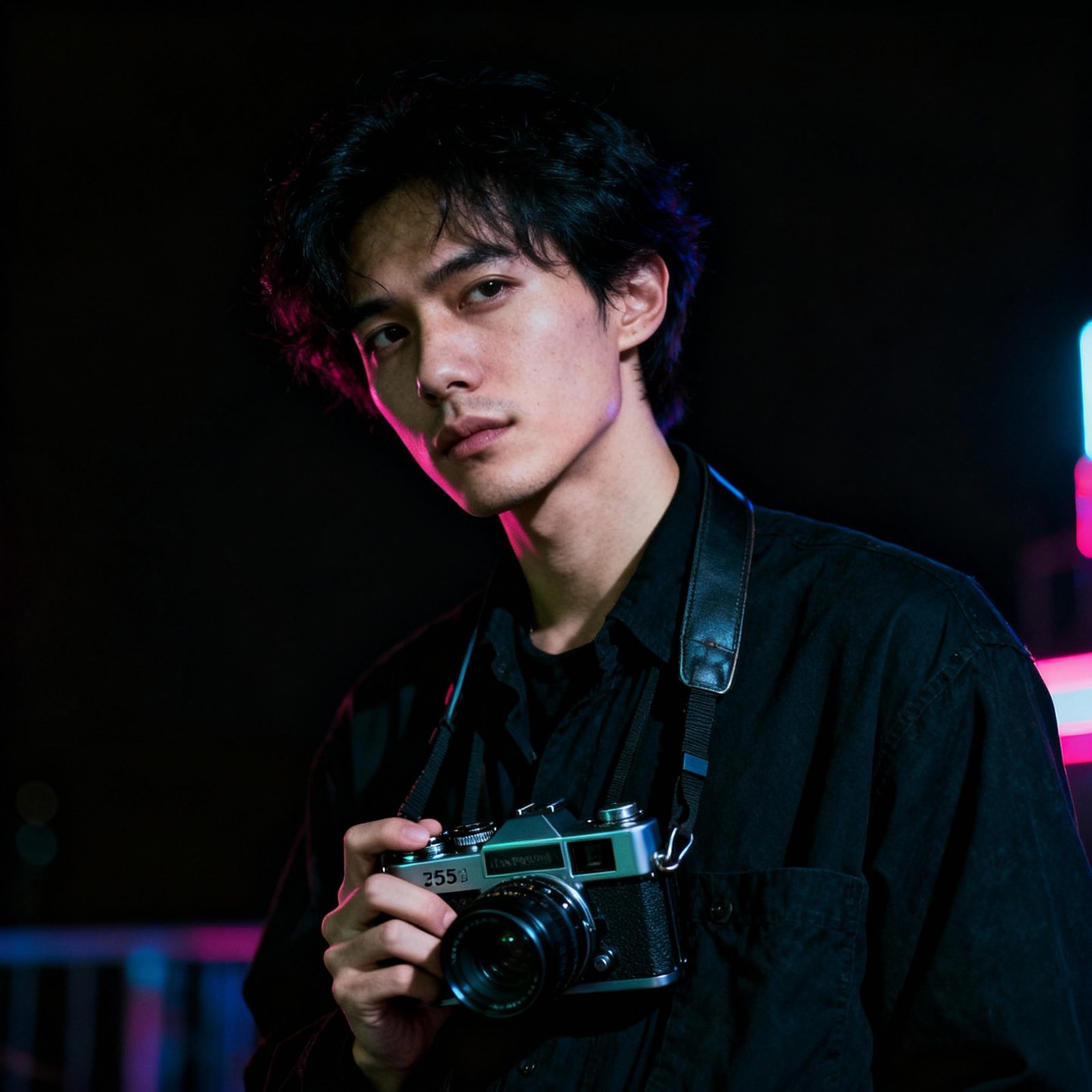
Matheus is a passionate analog photographer and content educator dedicated to preserving the art of film photography. With over 12 years of experience capturing moments through 35mm cameras, he has transformed his obsession into a mission: sharing deep knowledge with a global community of enthusiasts.
He began his journey at 16 with a Pentax K1000 inherited from his grandfather, a photojournalist who documented historic events in the 1970s. That simple yet powerful camera sparked an insatiable curiosity about how light, chemistry, and intention combine to create unforgettable images.
Matheus has developed expertise across multiple disciplines: film selection and storage, advanced development techniques, composition, and creative post-processing. He is a passionate advocate for the analog philosophy — the belief that shooting film is not just a technical choice, but a way of being present in the world and thinking deeply about every frame.
His educational approach is unique: combining technical rigor with creative inspiration. Matheus believes that understanding the science behind analog photography liberates photographers to explore their artistic vision without limits.
When not writing or shooting, Matheus explores cities with his Leica M3, mentors emerging photographers, and conducts workshops on analog photography in local communities.
His mission with RIVERZOG: To prove that analog photography is not nostalgia — it’s a conscious choice for quality, intention, and depth in an increasingly digital world.