
Plan your 35mm film daily practice schedule
Set a simple, repeatable routine that fits your life. Treat film practice like a short workout: warm up, focus on one skill, then cool down with notes. Pick three daily goals — for example, composição, metering, e film handling — and rotate them across the week. This keeps practice fresh and helps you see real progress fast. Including “Daily Practice Routines for Beginner Analog Photographers” in your plan will help you find templates and community tips to borrow.
Block small chunks of time you can keep every day. Aim for 20–45 minutes: that’s enough to shoot a roll or a few frames, test an exposure, and learn from it. Use a calendar reminder and treat it like a coffee break you won’t skip. Short, regular sessions build skill the same way you build friendships — one small visit at a time.
Share results and ask for feedback. Post a single frame to a local film group or chat with a neighbor who shoots. Review one shot each evening and note one thing you’d change tomorrow. That tiny loop of action and review is the engine that will move your work forward.
Morning camera checklist
Start the day with a pocket-sized checklist you can run in 60 seconds: film loaded, shutter working, ASA/ISO set, wipe the lens, test the rangefinder or focus screen, and confirm batteries for any meter. If you carry a light meter, set it to the film speed and test it on a neutral surface.
Keep the checklist visible on your phone or taped inside your camera bag. Make the steps habits: load film in good light, set ISO once, and don’t change settings until you’ve shot a bracket. That pattern removes friction and gets you out shooting rather than fiddling with gear.
Evening film logging
At day’s end, record what mattered. Note film type, camera, lens, shutter and aperture choices for frames you want to remember. Jot down time, location, and one sentence about mood or light — short notes fuel better review sessions.
Store negatives safely and tag rolls with a simple code that matches your log. When you scan or print, link the images to that day’s notes so every shot tells a clear story of what you were testing.
Quick practice checklist
Keep a one-line checklist you can recite: Load film, check shutter, set ISO, test meter, frame three warm-up shots, shoot one focused study, log notes. Repeat this each day and shave time off setup so you spend more minutes shooting.
Sharpen your daily composition exercises for film photography
You can tighten your eye fast by working small and steady. Shoot five frames a day with purpose. Use a pocket notebook to note luz, line, e shape as you shoot. That habit will push your eye toward stronger frames and make practice feel real and fun. Jot “Daily Practice Routines for Beginner Analog Photographers” in your notes to remind yourself this is a habit, not a one-off trick.
Keep each session focused. Pick one idea — contrast, balance, or human presence — and use it for the whole walk. Limit your choice of lens or focal length to force creative moves inside constraints. Review negatives or contact sheets within a day and mark the shots that hit your goal: limit, review, mark — these turn practice into progress.
Bring your camera into daily life: photos during errands, at a café, or while walking your dog. Swap prints with a friend or hang one on your fridge to get feedback. Keep your notes, prints, and questions in one place so your next session builds on the last.
Rule-of-thirds drills
The Rule of Thirds helps place the subject off-center for more energy. Imagine a tic-tac-toe grid in the viewfinder and place important points on intersections. Use a single idea per drill: subject on left, subject on right, subject low, subject high. Mark intersections, equilíbrio, e movimento in your notes so you can compare.
Spend ten minutes capturing the same scene from three spots that hit different intersections. Later, look at the contact sheet and note which intersection felt strongest and why.
Foreground and depth practice
Foreground elements give photos a sense of space and invite the viewer in. Find a close element — a fence, leaf, or coffee cup — and place it in the near field while keeping your main subject behind it. Think in layers: foreground, midground, background.
Do drills that force depth: place a bright object very near the lens, a person mid-distance, and a building far back. Vary focus and aperture and note how depth changes the mood.
Simple framing sketch
Before you shoot, make a quick thumbnail sketch — three boxes, three marks, one idea. Draw the subject, a foreground shape, and a line to show where the eye should travel. That small sketch keeps you intentional and speeds up decisions when film is limited.
Train manual exposure practice for beginner analog photographers
Get confident with manual exposure by treating it like a muscle. Spend short, focused sessions with one camera and one film stock. Pick a sunny morning, a cloudy afternoon, and an indoor lamp — each scene trains a different skill. Practice the Sunny 16 rule, bracket small steps, and use a light meter habit; repeat until those moves feel natural. This steady work builds confiança and keeps you shooting instead of guessing.
Learn by doing and label your notes: film ISO, aperture, shutter speed, and the lighting. Over time you’ll see patterns — which films forgive shadow detail, which lenses need a stop more sun. Keep short sessions so you don’t burn out. Use “Daily Practice Routines for Beginner Analog Photographers” as a quick checklist before you step out; daily habit turns awkward fumbling into calm control.
Sunny 16 routine
O Sunny 16 rule is simple: on bright sun, set aperture to f/16 and shutter to the reciprocal of film ISO. Try it blind first: estimate then shoot. Later, check results and adjust. Walk a street and pick five scenes: set f/16 and the reciprocal speed, then change aperture to see how the look shifts.
Bracketing small steps
Bracketing teaches you to trust experiment over fear. For a single scene, take three frames: one at your guessed exposure, one a stop under, and one a stop over. Compare negatives or scans and note which frame matches your intent.
Make it habitual on tricky light: backlit portraits, sunset, snow. Try one-third stop steps if your camera allows, or whole stops if it doesn’t. Bracketing turns uncertainty into usable data.
Light meter habit
Carry a meter or use a phone app and make reading light a ritual: point at the subject, read EV or the recommended settings, then set your camera and shoot. Do this even when you feel sure; the habit checks your instincts and trains your eye to match the tool.
Build film camera daily practice: handling and care
Practice a little every day and you’ll build muscle memory fast. Start with a five-minute check: look for dust, test the shutter, and feel the film advance. Say the steps out loud as you work — that voice becomes a checklist in your head.
Put your camera on a table when you get home. Spend time loading one roll, winding a few frames, and firing the shutter with the lens cap on. These simple drills teach the feel of your specific camera and reduce wasted frames.
Stick with the routine like morning coffee. Over weeks you’ll notice fewer light leaks and better in-field choices. Join a local meet or photo walk and trade tips — a little daily care becomes the backbone of confident shooting.
Loading and rewinding drills
Practice loading with an old roll or blank spool so mistakes don’t cost shots. Focus on feeding the film leader into the take-up spool and watching the sprocket holes catch. Close the back and give two gentle advances to see the spool turn — that tiny motion proves the film is moving.
Rewinding deserves practice too. Feel the tension on the rewind knob and listen for the sound change when the film is fully rewound. Try slow, steady turns first. These drills make you calm when a bright scene appears and you have one chance.
Analog camera handling drills
Treat the camera like an instrument. Practice steady breathing, two-handed grips, and the exact finger position to trigger the shutter. Do slow framing drills: pick a window across the street and shoot the same scene five times, changing only height or angle.
Run quick checks before you leave home and when you arrive at a shoot: aperture ring set, shutter speed dial correct, lens cap off, strap secure. Soon you’ll do it without thinking and your shots will be cleaner and faster.
Daily care steps
Wipe the lens with a soft cloth, blow dust from the film chamber, and check light seals for deterioration. Keep spare batteries and a clean cloth in your camera bag. Store unused film cool and dry, and always close the camera back gently.
Use daily film photography exercises with shooting prompts
Build skill by treating film like a short story you tell every day. Start with Rotinas diárias de prática para fotógrafos analógicos iniciantes: pick a small slot — ten to twenty minutes — and give yourself a simple prompt. That tiny habit trains your eye and your hands.
Set clear, tiny rules for each session so you stay focused. Try one theme per day: formas, shadows, close-ups, ou motion. Limit your shots and pick one technique to practice, like depth of field or framing. Short limits force you to think, not spray-and-pray.
Bring the community in. Share one image, ask for one note, swap film with a friend. That back-and-forth keeps you excited and honest. Before long, your daily habit will shape your style and make photography part of your life.
Daily shooting prompts for film photographers
Give yourself clear, playful prompts: shoot only reflections, capture a subject in blue light, frame scenes with leading lines, or make a portrait using only window light. Keep prompts short and vivid so you don’t overthink.
Use a notebook or voice memo after each session to jot one line: what worked, what surprised you. Review images once the roll is processed and mark one lesson. Try trading prompts with another person for fresh angles.
10-shot composition challenge
Pick a theme and commit to exactly 10-shot experiments. Each shot should test a different composition rule: rule of thirds, symmetry, negative space, foreground framing, tight crop, wide scene, pattern, contrast, center composition, and an experimental frame.
After processing, lay the ten images side by side and tell a short story about what you see. Which rule helped most? Which felt hard? Do this weekly and watch your eye sharpen.
Limited-frame exercise
Load a short roll or set your camera to a fixed low frame count and treat every click like a decision. The limited-frame approach makes you slow down, choose your light, and wait for the pulse of a scene.
Set a film developing daily workflow for beginners
Start small and build a simple workflow you can repeat. Pick a fixed tempo — mornings or evenings — and lay out gear the night before: camera, film, tank, chemicals, thermometer, timer, and a towel. Treat developing like a recipe; this helps you learn what changes affect images and saves stress when a shoot goes well.
Break the process into clear steps: load, develop, stop, fix, seco, e scan. Write a short checklist you can glance at. When you follow the same order, you’ll spot problems faster and get steady results. This approach fits into Daily Practice Routines for Beginner Analog Photographers and turns fussy procedures into muscle memory.
Share your routine with friends or a local group and swap notes. A quick chat can teach tricks that cut time or boost contrast.
Mixing chemicals and timing
Measure everything with graduated cylinders or syringes. Use the same dilution and the same temperatura each time. Label bottles with the mix and date so you never guess. Keep developer and stop bath sealed when not in use and toss what’s past its life.
Time is your friend and your ruler. Use a reliable timer and log each run. Agitation rhythm matters — set a pattern you repeat, like one inversion every 30 seconds. Small adjustments, noted carefully, make big improvements.
Lab versus home steps
A community lab gives stable conditions: fixed tanks, good ventilation, and people to ask. Labs often have consistent chemicals and equipment, which cuts guesswork.
At home you control everything and save money, but you must manage segurança and cleanup. Use a well-ventilated space, keep chemicals away from food, and plan for waste. Both options work; pick the one that fits your life and stick with it.
Develop log template
Keep a single sheet with Data, Film stock, ISO, Câmera, Developer name, Dilution, Time, Temperatura, Agitation pattern, Notes on contrast or grain, e Scan settings — write short notes after each roll so you can repeat wins or fix mistakes later.
Do daily darkroom practice routines to improve prints
Make daily practice a habit. Think of the darkroom like a kitchen: you learn by repeating recipes. Block 20–30 minutes for hands-on work: a quick set of test strips, a couple of dodging and burning moves, and a note in your log. Short, steady sessions beat rare long marathons.
Bring others in. Share prints, trade notes, and get blunt feedback. Community will speed your growth and keep you honest.
Test strip habit
Make test strips your morning coffee for the darkroom. A few quick strips tell you about contrast, exposure, and how a negative behaves on paper. Do this daily and you’ll cut guesswork out of most prints.
A good drill: pick one negative and make four strips at different exposures. Mark each strip with time and settings, then copy the best numbers onto a full sheet. Keep the record simple: time, seconds, filter, paper grade.
Dodging and burning drills
Dodging and burning are your sculpting tools for light. Practice them like a musician practices scales. Short exercises — five prints dodging highlights, five burning shadows — build steady hands and a sharp eye.
Print exposure notes
Write a one-line recipe for every print: negative ID, enlarger height, exposure time, filter, paper grade, dodging/burning notes. Over time those cards become your library of solutions.
Join community critique and sharing routines for analog photographers
You grow faster when you share your prints. Join a group and make a habit of showing one frame a week. Bring film scans, contact sheets, or a single print. Say what you were aiming for and what went wrong. The group will offer specific feedback, not vague praise.
Treat critique like a regular appointment. Block an hour on your calendar and keep it. Weekly meetings help you spot trends — exposure drift at sunset, repetitive composition choices — and fix them early.
Make sharing part of your lifestyle. Trade rolls with a friend. Host a pop-up table at a local café. These casual swaps build trust and make critique less scary.
Weekly group review schedule
Set a simple agenda and stick to it. Start with 10 minutes of chat to warm up. Spend 5–7 minutes per photographer: show the image, explain your intent, hear three quick points — one what worked, one what to fix, and one suggestion. End with a 10-minute group takeaway.
Rotate roles each week: host, timekeeper, and note-taker. The note-taker emails a short summary after the meeting. This rhythm turns feedback into action.
Post to forums and zines
When posting online, choose one clear image and add a short caption with gear, film stock, and intent. Tag communities that match your style to reach people who will speak your language.
For zines, pick a theme and submit a small series. Zines value mood and voice over perfection. Getting work printed changes how you see it and how others see you.
Feedback rules
Agree on a few rules: be specific, be kind, ask clarifying questions, and offer one suggestion. Start with what’s working, then point out a fixable issue, and finish with a practical tip.
Build your lifestyle around a beginner film photography routine
Turn film photography into a steady part of life by carving out a simple routine that fits your day. Start small: pick one golden hour walk each week, one roll to shoot, and one evening to scan or develop. That steady loop — shoot, process, reflect — keeps skills moving forward.
Lean on “Daily Practice Routines for Beginner Analog Photographers” as a mini roadmap: short daily tasks add up. Ten minutes to clean your camera, fifteen to read a tip, one roll every few days — these tiny steps make progress obvious and keep costs down.
Let your social circle feed the fire. Share one photo a week with a group. The feedback and cheers will nudge you to keep going. When you build life around small, repeatable acts, film becomes part of your rhythm — a habit you actually enjoy.
Time and budget planning
Block time like a gym class. Pick fixed slots for shooting and processing and label them in your calendar as non-negotiable. Short, regular sessions beat marathon weekends.
Treat budget as a creative constraint, not a roadblock. Set a monthly film allowance and stick to it: choose one film stock, one lab, and one development method for a month. That keeps costs predictable and helps you learn the quirks of one setup before switching.
Habit tracking for growth
Track what you shoot and what you learn. A small notebook or a simple app where you jot film type, shutter settings, and mood works wonders. Over time you’ll spot patterns — what light you like, what exposures fail — and correct them fast.
Use short weekly goals to stay motivated. Aim for a roll completed, one print made, or one processing skill learned. Celebrate those small wins with your group. Consistent tracking turns vague intentions into clear progress.
Monthly habit check
Each month, pause and review: tally rolls shot, films favored, what you learned, and what you’ll change next month. Make one concrete tweak — shoot more portraits, buy one new film, or try a different lab — and set that as your prime goal. This quick check keeps momentum and stops habits from flatlining.
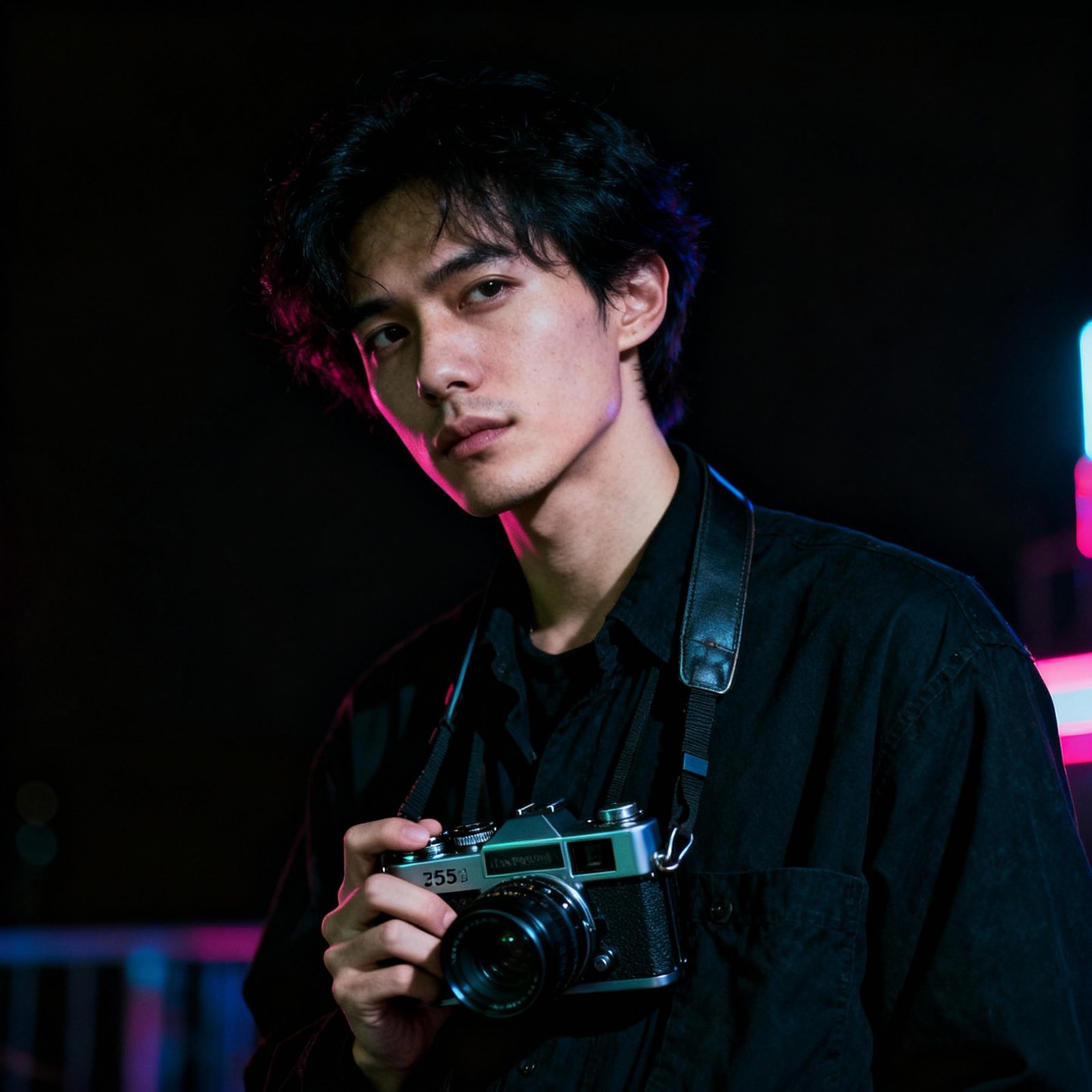
Matheus is a passionate analog photographer and content educator dedicated to preserving the art of film photography. With over 12 years of experience capturing moments through 35mm cameras, he has transformed his obsession into a mission: sharing deep knowledge with a global community of enthusiasts.
He began his journey at 16 with a Pentax K1000 inherited from his grandfather, a photojournalist who documented historic events in the 1970s. That simple yet powerful camera sparked an insatiable curiosity about how light, chemistry, and intention combine to create unforgettable images.
Matheus has developed expertise across multiple disciplines: film selection and storage, advanced development techniques, composition, and creative post-processing. He is a passionate advocate for the analog philosophy — the belief that shooting film is not just a technical choice, but a way of being present in the world and thinking deeply about every frame.
His educational approach is unique: combining technical rigor com creative inspiration. Matheus believes that understanding the science behind analog photography liberates photographers to explore their artistic vision without limits.
When not writing or shooting, Matheus explores cities with his Leica M3, mentors emerging photographers, and conducts workshops on analog photography in local communities.
His mission with RIVERZOG: To prove that analog photography is not nostalgia — it’s a conscious choice for quality, intention, and depth in an increasingly digital world.